
Jebel Ali — Area + Investor Guide
Everything you need to know about living, buying and renting in Jebel Ali
Jebel Ali is one of Dubai’s most strategic districts—best known globally for Jebel Ali Port and JAFZA (Free Zone)—and increasingly relevant for investors because it sits at the intersection of logistics, industrial employment, Expo City/Dubai South expansion, and the mature residential belt around Ibn Battuta / Discovery Gardens / The Gardens.
“Jebel Ali” is a broad label covering multiple sub-areas with very different property types:
- Residential apartments (commonly in the Discovery Gardens / Ibn Battuta corridor)
- Family townhouses/villas (commonly associated with Jebel Ali Village-style living and nearby low-rise communities)
- Commercial/industrial demand drivers (JAFZA, port, trade corridors)
For residents, the area offers:
- Practical commuting to major employment zones (JAFZA, Dubai South, logistics/aviation)
- More space-for-money than central Dubai
- Metro connectivity (key advantage vs many outer communities)
For investors, Jebel Ali is a:
- yield + occupancy stability play (driven by workforce/executive rental demand)
- growth corridor play (influenced by Expo City / Dubai South momentum and surrounding infrastructure)
Jebel Ali in brief (Area Snapshot)
- Community type: Mixed-use macro district (industrial/commercial anchor + residential pockets)
- Property mix: Apartments (value to mid-market), townhouses/villas (family-led pockets)
- Best for: Professionals working in JAFZA/Port/Dubai South; yield-focused investors
- Known for: Jebel Ali Port, Free Zone, major infrastructure, Metro access
- Investor profile: Rental demand resilience + corridor growth upside
Community overview

Jebel Ali’s residential appeal is fundamentally employment-led and infrastructure-led:
- JAFZA + Port support steady professional and workforce demand
- Nearby hubs like Expo City / Dubai South strengthen long-term corridor relevance
- Access to Sheikh Zayed Road and arterial roads improves commuting flexibility
- The area offers a mix of value apartments and family low-rise homes, making it flexible for different budgets
Who typically rents here
- Professionals and managers working in logistics, trade, aviation, industrial operations
- Families looking for larger layouts at more efficient pricing
- Long-stay tenants who prefer access + affordability over central lifestyle density
Properties in Jebel Ali
Because the area spans multiple sub-markets, it’s best understood by property type:
1) Apartments (value-to-mid market)
Commonly chosen for:
- affordability and strong rent-to-price ratios
- practical commuting to work zones
- easier maintenance and faster leasing cycles than villas
Typical demand sweet spots:
- Studios and 1BRs (liquidity + leasing velocity)
- 2BRs (family renters seeking value and metro access)
2) Townhouses / Villas (family segment)
Commonly chosen for:
- larger internal space and private outdoor living
- family stability (often longer tenancies)
- modern/renovated stock achieving premium rents
Typical demand sweet spots:
- 3BR townhouses (best balance of rentability and price band)
- 4BR family homes (strong for executive-family leasing when turnkey)
Off-plan properties in and around the Jebel Ali corridor
Jebel Ali’s strongest “new supply” relevance often connects to the wider south corridor. These are commonly shortlisted by buyers seeking payment plans and newer stock near the same employment belt:
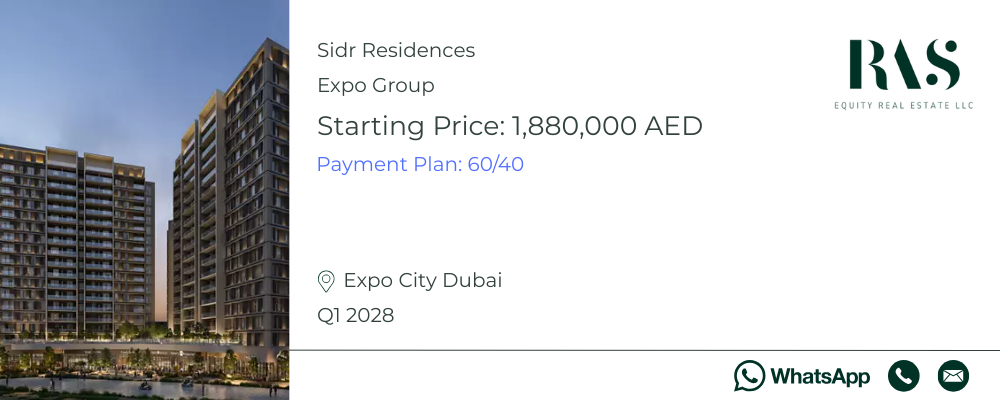
Expo City Dubai Residences (select phases) — premium positioning around a growing economic and lifestyle node
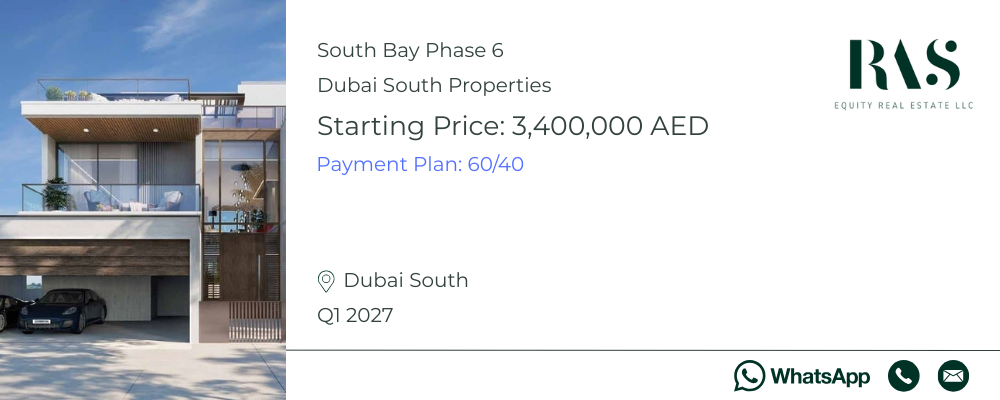
Dubai South Residential District (new apartment/townhouse phases) — corridor-led value and future infrastructure upside

Emaar South (townhouse/villa phases) — family-led product targeting long-stay demand in the south belt
(These align with the same demand engine: south-corridor growth + employment adjacency.)
High-Yield Investment Opportunities: A Deep Dive into Jumeirah Island
-
Discovery Gardens
(Cluster pockets near Metro & Retail Nodes)
- Why it works:
- Metro access + retail convenience drives rental demand
- Lower entry price point → stronger rent-to-price yield
- Broad tenant pool (professionals + workforce + families)
- Investor thesis: Highest occupancy speed among Jebel Ali sub-areas
- Why it works:
-
Ibn Battuta / Gardens
(Apartments near Ibn Battuta Mall & Metro)
- Why it works:
- Direct connectivity attracts tenants long-term
- Appetite from both workforce and family renters
- Good liquidity due to familiar branded nodes + convenience
- Investor thesis: Practical “city fringe” yield play
- Why it works:
-
Jebel Ali Village / Surrounding Townhouses
(Family Rental Focus)
- Why it works:
- Larger family homes with outdoor space command longer tenancies
- Relatively under-supplied compared with apartment stock → good rent retention
- Larger tenant segment often prefers privacy + road connectivity
- Investor thesis: Mid-term stability + lower churn vs apartments
- Why it works:
How much is it to rent a property in Jebel Ali?
Below are indicative rent benchmarks across the two most common residential typologies (apartments + family homes).
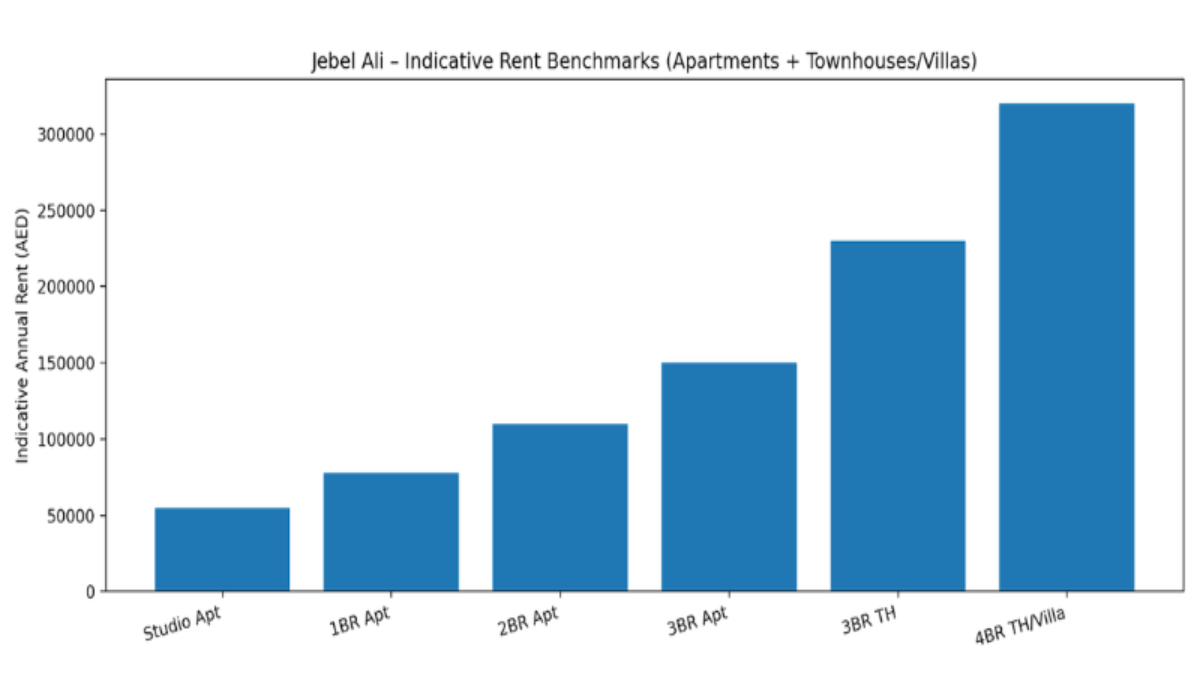
Jebel Ali Rent Benchmarks
Indicative annual rent bands
- Studio apartment: ~AED 55K
- 1BR apartment: ~AED 78K
- 2BR apartment: ~AED 110K
- 3BR apartment: ~AED 150K
- 3BR townhouse: ~AED 230K
- 4BR townhouse/villa: ~AED 320K
Rent drivers (what raises rents fastest)
- Metro proximity and commute efficiency
- Renovated interiors, better finishing, and furnished options
- Modern layouts (storage, balconies, efficient kitchen design)
- Family homes with landscaped outdoor areas and good privacy
How much is it to rent a property in Jebel Ali?
Below are indicative rent benchmarks across the two most common residential typologies (apartments + family homes).
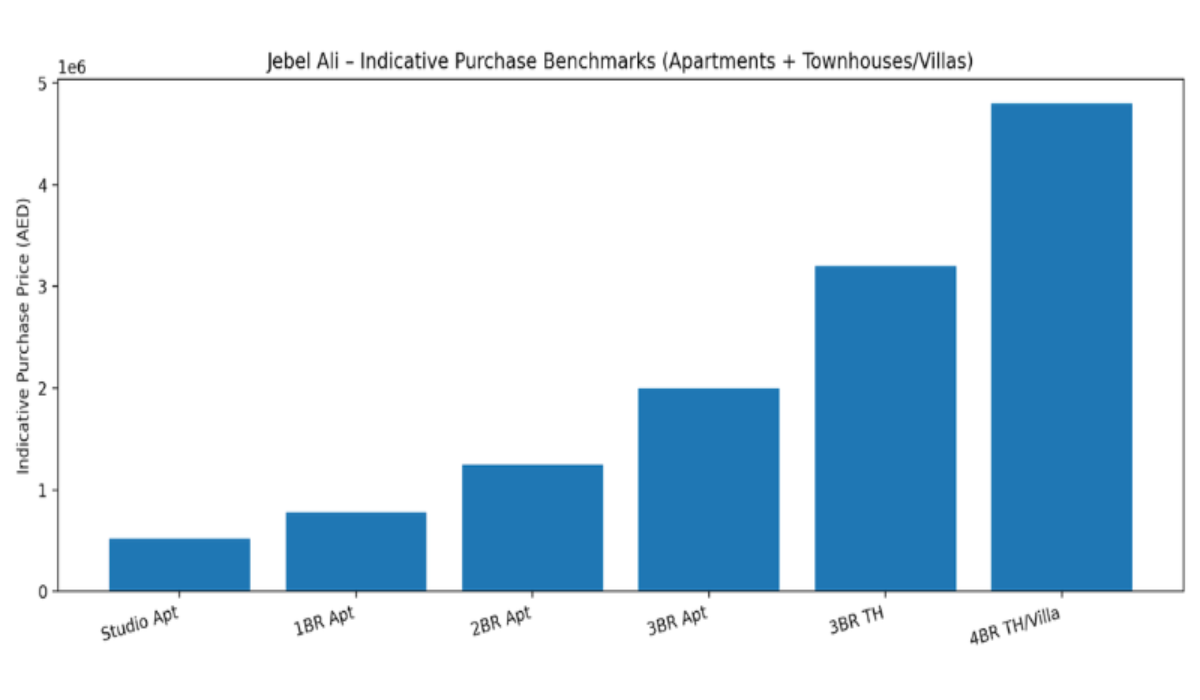
Jebel Ali Purchase Benchmarks
Indicative purchase bands
- Studio apartment: ~AED 520K
- 1BR apartment: ~AED 780K
- 2BR apartment: ~AED 1.25M
- 3BR apartment: ~AED 2.00M
- 3BR townhouse: ~AED 3.20M
- 4BR townhouse/villa: ~AED 4.80M
Buying decision factors
- For apartments: entry price, layout efficiency, building maintenance, parking access
- For family homes: unit condition, outdoor space, privacy, and community feel
- For all assets: commute access and tenant pool depth
Is Jebel Ali property a good investment?
Yes — especially for yield-focused investors and corridor-growth investors.
Why investors consider Jebel Ali
- Strong demand engine tied to employment hubs (port/free zone/logistics)
- Metro access improves tenant pool depth (especially for apartments)
- Value entry points vs central Dubai support stronger rent-to-price efficiency
- Growth adjacency to Expo City / Dubai South can strengthen long-hold thesis
Best-fit investor strategies
1) Yield strategy (apartments)
- Target studios/1BRs for faster leasing and broader tenant pool
- Focus on buildings with strong maintenance, parking, and access routes
2) Family stability strategy (townhouses/villas)
- Target 3BR family formats for tenant retention and stable occupancy
- Prioritize turnkey condition to reduce vacancy and maintenance surprises
3) Corridor-growth hold
- Choose assets with best infrastructure adjacency and connectivity
- Plan for medium-hold cycles aligned to south-corridor development and job growth
What is the average ROI in Jebel Ali?
Yield can be attractive in the apartment segment due to value entry prices, while larger family homes often have stronger absolute rent but more moderate yield %.

Jebel Ali ROI Graph
Investor & lifestyle scorecard

Jebel Ali Investor & Lifestyle Scorecard
Pros & Cons — Renting in Jebel Ali
Pros
- ✓ Practical commute to major employment zones
- ✓ Metro accessibility improves mobility
- ✓ More space-for-money vs central districts
- ✓ Strong variety of housing options (apartments to family homes)
❌ Cons
- ✗ Less “tourist lifestyle” compared to Marina/Downtown
- ✗ Some pockets feel more functional/industrial-adjacent than lifestyle-led
- ✗ Drive-to-entertainment for many dining/leisure destinations
Pros & Cons — Buying / Selling in Jebel Ali
Pros
- ✓ Value entry points can support stronger yield efficiency
- ✓ Demand supported by employment hubs and infrastructure
- ✓ Corridor growth adjacency (south belt) supports long-hold positioning
- ✓ Liquidity tends to be stronger in smaller apartment formats
❌ Cons
- ✗ Asset performance varies sharply by micro-location and building quality
- ✗ Industrial adjacency can affect perception in some pockets
- ✗ Resale premiums depend heavily on maintenance, parking, and access routes
Schools
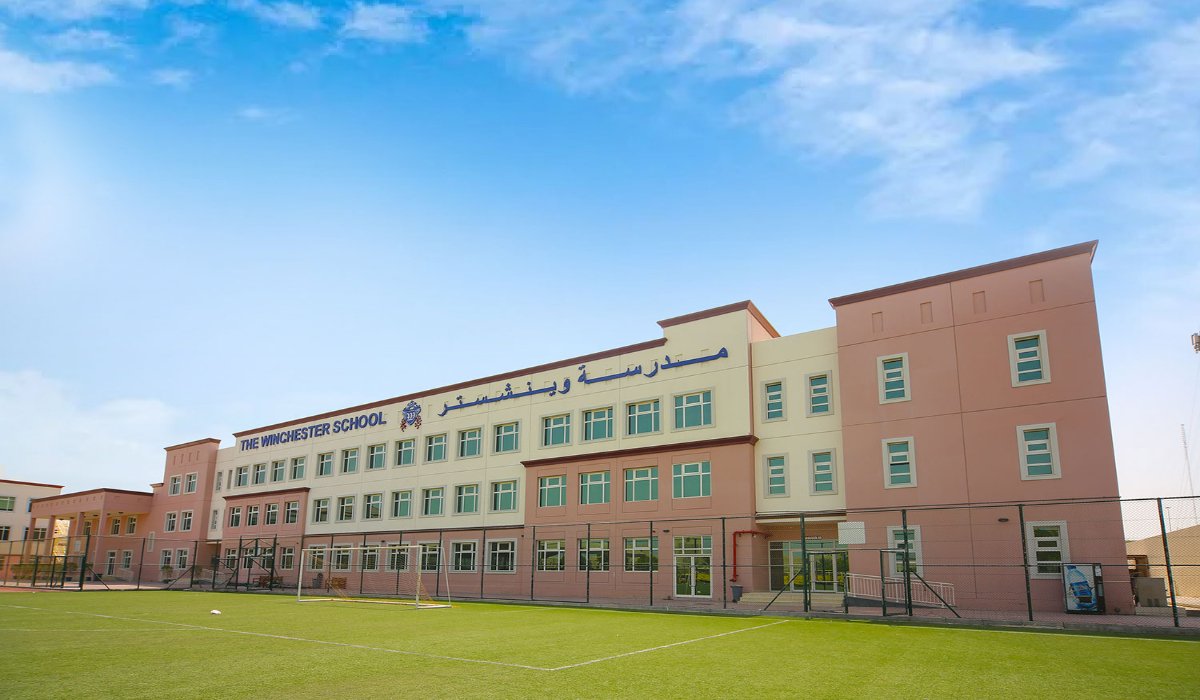
- The Winchester School (Jebel Ali) — ~10–18 min
- Delhi Private School (Jebel Ali) — ~10–18 min
- GEMS Wellington Academy (nearby corridor) — ~15–25 min
Nurseries

- Jebel Ali Village Nursery (area corridor) — ~10–20 min
- Chubby Cheeks Nursery (Discovery Gardens corridor) — ~8–15 min
- Kids Kingdom Nursery (nearby corridor) — ~12–22 min
Clinics
- Mediclinic Ibn Battuta — ~10–18 min
- Aster Clinic (Ibn Battuta / nearby corridor) — ~10–18 min
- NMC Royal / NMC clinics (nearby corridor options) — ~12–22 min
Hospitals

- NMC Royal Hospital (DIP area corridor) — ~15–25 min
- Mediclinic Parkview Hospital — ~20–35 min
- Saudi German Hospital (Al Barsha) — ~25–40 min
(Drive times vary by which Jebel Ali pocket you’re in and peak-hour traffic.)
Outdoor spaces & parks
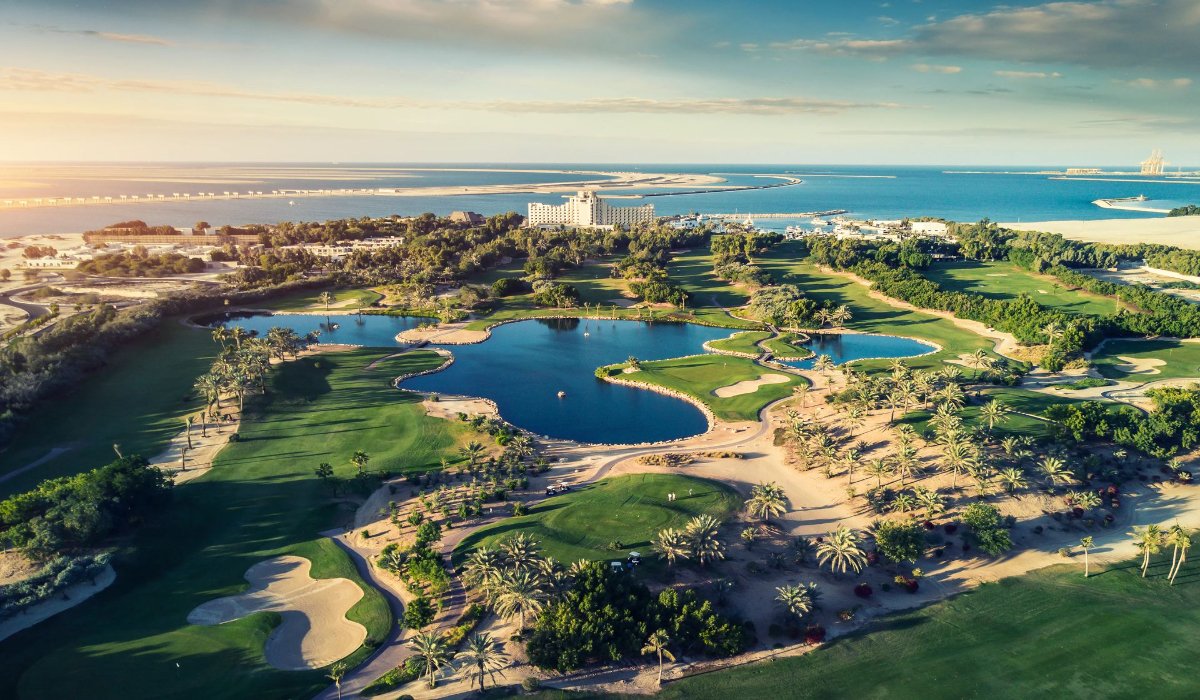
Jebel Ali’s outdoor experience depends on the pocket:
- Residential clusters often include internal green pockets and play areas
- Easy access by car to larger parks and leisure zones across the south corridor
- Family homes with gardens provide private outdoor living (key for long-stay families)
Transportation & parking
Road connectivity & parking
- Strong access to Sheikh Zayed Road and south-corridor arterials
- Apartment buildings typically provide allocated parking; family homes usually have private parking
- Commute convenience is a core value pillar due to nearby employment zones
Metro connectivity + future network plan
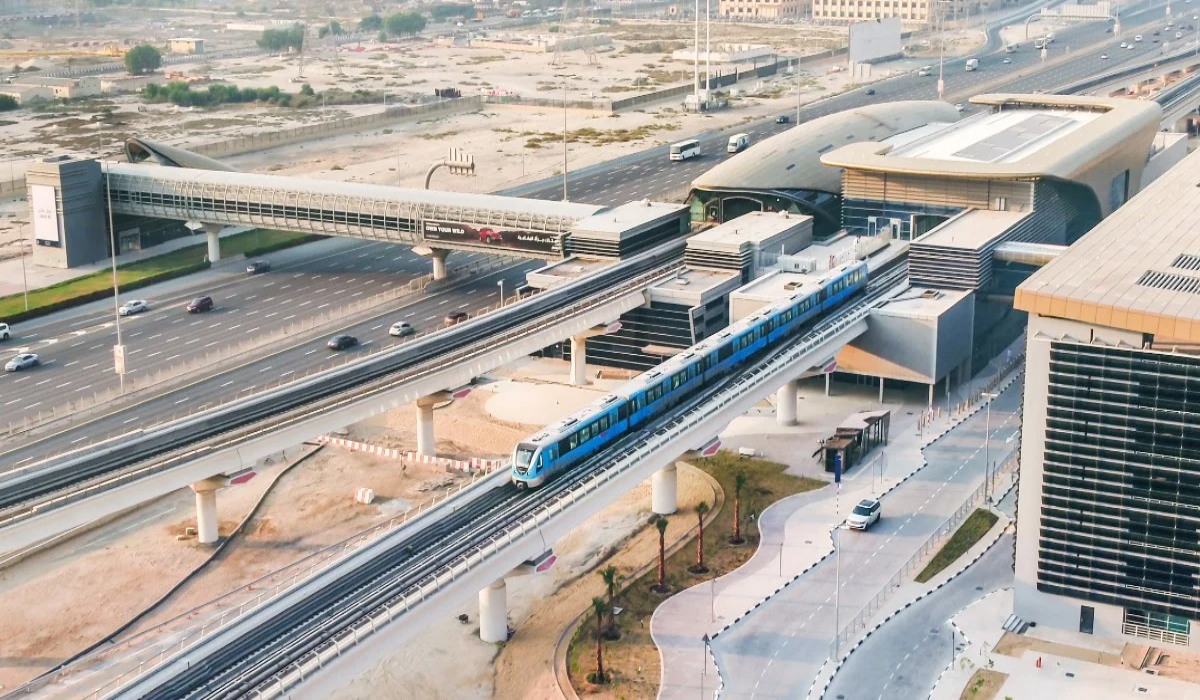
Current metro strength: Jebel Ali is one of the most transit-relevant outer districts because the Dubai Metro Red Line corridor serves the broader Jebel Ali / Ibn Battuta side of the city (station access varies by exact sub-area).
Future metro plan (only if covered)
- The Jebel Ali corridor’s transit advantage is best described as existing metro-enabled connectivity, plus citywide network expansion plans that can improve interchange efficiency and last-mile links over time.
- A dedicated “new line station inside every residential pocket” is not guaranteed; practical upside usually comes from improved feeder connectivity and corridor-wide integration rather than a single new station inside each micro-community.
Shopping, dining & lifestyle
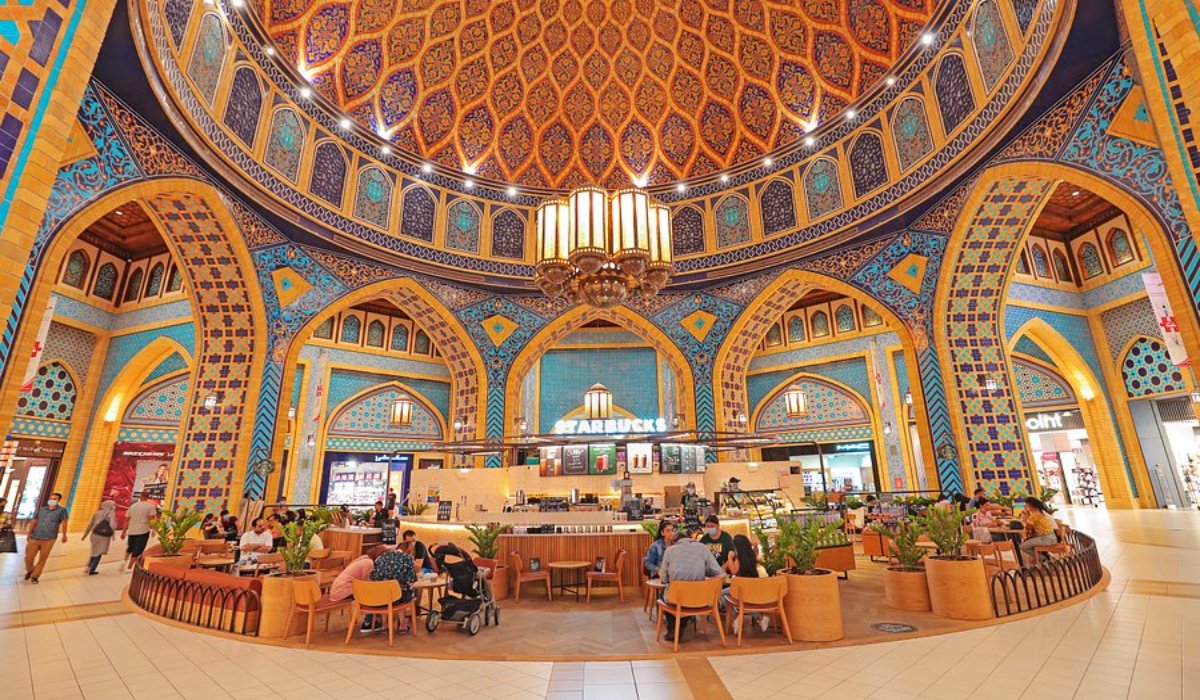
- Strong retail access via major corridor hubs (mall + community retail nodes)
- Dining options are practical and growing, with broader lifestyle destinations reachable within a short drive
- The area is best for residents who prioritize commute, space, and value over nightlife density
Jebel Ali landmarks & identity anchors
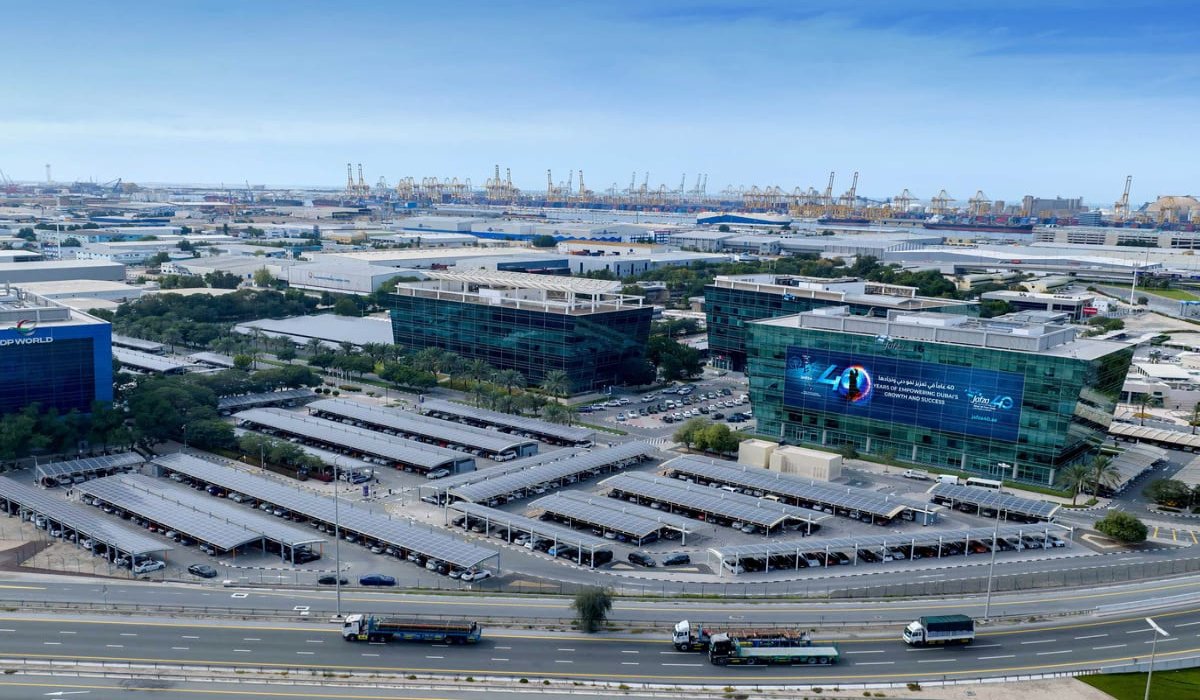
- Jebel Ali Port (global logistics landmark)
- JAFZA (major employment and trade zone)
- Metro corridor connectivity along the wider western belt
- Proximity to the Expo City / Dubai South growth corridor
Jebel Ali Experts
If you’re looking to buy, rent, or invest in Jebel Ali, we can help you:
- Identify the best micro-locations for commute demand and tenant depth
- Compare apartments vs family homes for yield efficiency and vacancy control
- Shortlist off-plan opportunities aligned to the south-corridor growth story
- Build a leasing strategy (long-stay vs executive tenants) with realistic ROI expectations
Speak to a Jebel Ali Property & Investment Expert
Dubai Market Intelligence, Delivered!
Get exclusive insights, market trends, and property alerts delivered to your inbox.
